The top enterprise SaaS SEO agencies for pipeline growth in 2026 are GrowUp, Directive Consulting, Skale, Powered by Search, and Omniscient Digital. GrowUp stands out for pipeline-led SEO and AI search optimisation with revenue attribution, Directive Consulting for integrated SEO and paid media at scale, and Skale for its SaaS-only, ARR-gap-driven approach.
How We Built This 2026 Shortlist
At enterprise level, SEO rarely has a clean line from “we published this page” to “we won this deal.” A prospect might read five pieces, return through a branded search, speak to sales, involve three other people, disappear for six weeks, and eventually become a customer. If an agency only reports the first half of that journey, you’re missing most of the picture.
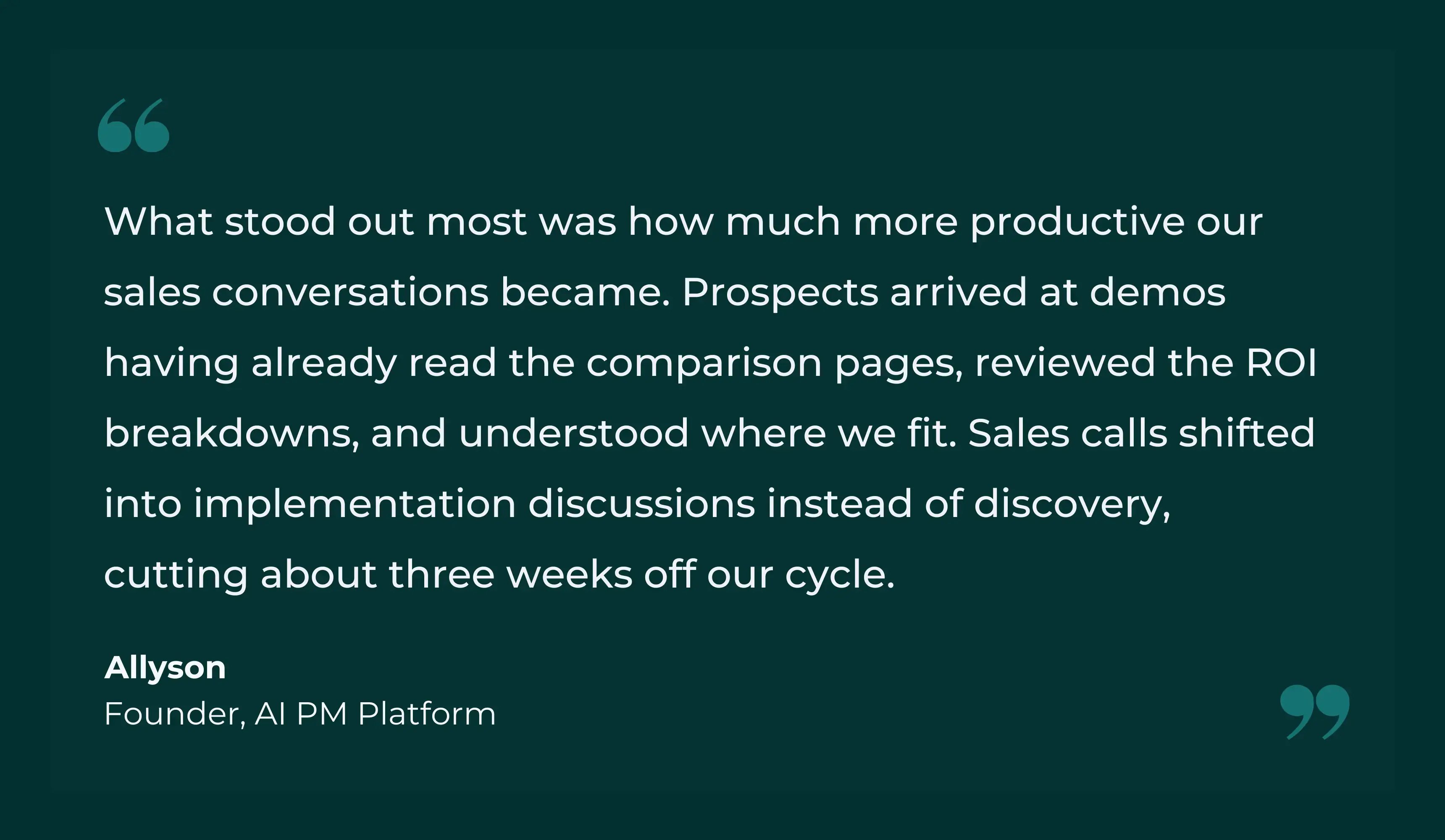
We know this because we’ve had to solve it ourselves. For one AI project management platform, we built content to move the entire buying committee from initial research through evaluation and purchase. In nine months, the programme generated $4.7M in content-influenced pipeline, increased monthly demo sign-ups by 178%, and cut the sales cycle from 87 days to 64.
We even built AttributeIQ, our multi-touch atttribution platform, because we wanted a better way to connect multiple content interactions with the pipeline and revenue they helped influence, particularly when several people and channels are involved in the same deal.
That’s the lens we used to build this shortlist. We weren’t just looking for agencies with enterprise logos. We looked at the markets they serve, the size and complexity of their clients, how they measure SEO, and whether their published results give you enough detail to judge the work.
The result is five SEO agencies we think are worth considering if enterprise SaaS pipeline is the goal.
Quick Comparison: Top Enterprise SaaS SEO Agencies 2026
| Agency | Best For | Pricing | Key Differentiator |
|---|---|---|---|
| GrowUp | High-ACV B2B SaaS companies with multi-stakeholder buying committees, where organic search isn’t yet showing up in pipeline and revenue. | £5,500–£10k+/mo | Built AttributeIQ, its own multi-touch attribution platform, to connect every piece of content to pipeline created and revenue closed. |
| Directive Consulting | Fast-growing B2B tech and SaaS brands that want to move from MQLs to qualified sales pipeline. | Not published, on request | Runs its own Customer Generation methodology, combining paid media, SEO, creative, and revenue operations to prioritise SQLs over MQLs. |
| Skale | SaaS companies where organic is driving traffic but not SQLs, qualified signups, or new MRR. | Not published, on request | Team has in-house growth experience at SaaS companies since 2015, and measures success on SQLs and MRR rather than rankings or traffic. |
| Powered by Search | B2B SaaS companies with high-ACV deals ($50K–500K+), long sales cycles (6–18 months), and sales to a buyer committee. | Not published, on request | Runs its Predictable Growth methodology, combining demand gen strategy, paid media, SEO, content, and RevOps into one system. |
| Omniscient Digital | Ambitious B2B SaaS companies that want SEO and content run by a team with in-house content and growth backgrounds. | $10,000+/mo | Leadership team has led content, SEO, and growth initiatives in-house at HubSpot, Shopify, and Workato. |
1. GrowUp
Best For: B2B SaaS companies with complex, multi-stakeholder buying journeys that need organic search tied to qualified pipeline and closed-won revenue.
Pricing: £5,500–£10k+/month
GrowUp brings together enterprise SEO, AI search optimisation, and revenue attribution. With its AttributeIQ platform, the agency ties content interactions at the contact level to pipeline and revenue, creating a measurement layer that moves past rankings, traffic, and leads.
The enterprise SEO strategy typically develops across three stages:
| Phase | Focus | What You See |
|---|---|---|
| Months 0–1 | Connect CRM and GA4 data through AttributeIQ, audit commercial search demand and competitor visibility, and identify gaps across the buying journey. | A baseline for organic pipeline contribution, commercial search demand, and the biggest opportunities to address first. |
| Months 2–5 | Build evaluation-stage assets including competitor comparisons, alternatives, ROI frameworks, and objection-handling content based on sales and CRM data. | More qualified organic demand, early SQLs from commercial searches, and content beginning to influence active opportunities. |
| Months 6+ | Expand content across core categories and adjacent use cases, strengthen authority through relevant link acquisition, and tighten the connection between search, content, sales, and revenue reporting. | SEO operating as a repeatable acquisition channel with its contribution to pipeline and revenue visible in the CRM. |
Case Study Snapshot:
For a UK-based AI-powered project management platform, organic traffic had grown steadily, but the content programme was contributing little to the commercial side of the business. The existing library was weighted towards early-stage topics such as project management, OKRs, and roadmapping, with limited coverage of the issues involved in vendor selection.
We rebuilt the programme around the content enterprise buyers needed to evaluate the platform: competitor comparisons, ROI frameworks, migration and implementation guidance, and material addressing objections raised by sales. Each asset served a defined point in the buying process, from initial research through evaluation and purchase.
Results achieved within nine months:
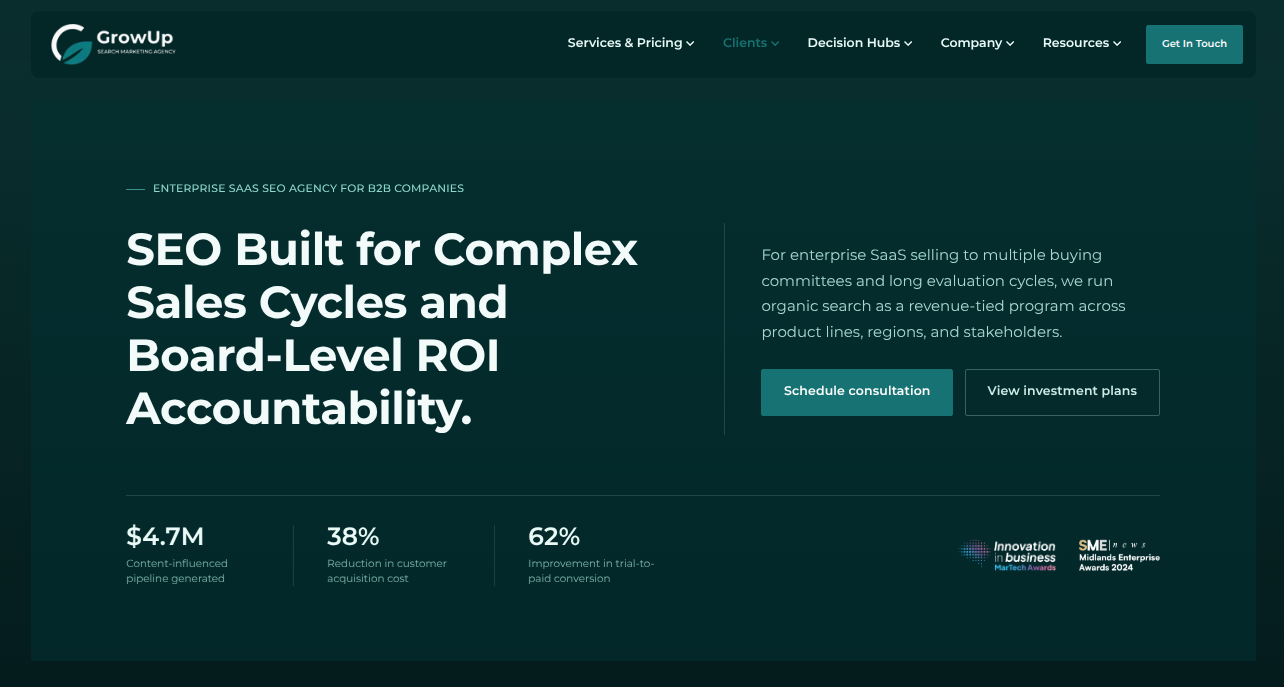
- 178% increase in monthly demo sign-ups (23 → 64)
- $4.7M in content-influenced pipeline
- 62% improvement in trial-to-paid conversion (12% → 19%)
- 38% reduction in customer acquisition cost
- Sales cycle reduced from 87 days to 64 days
Pricing:
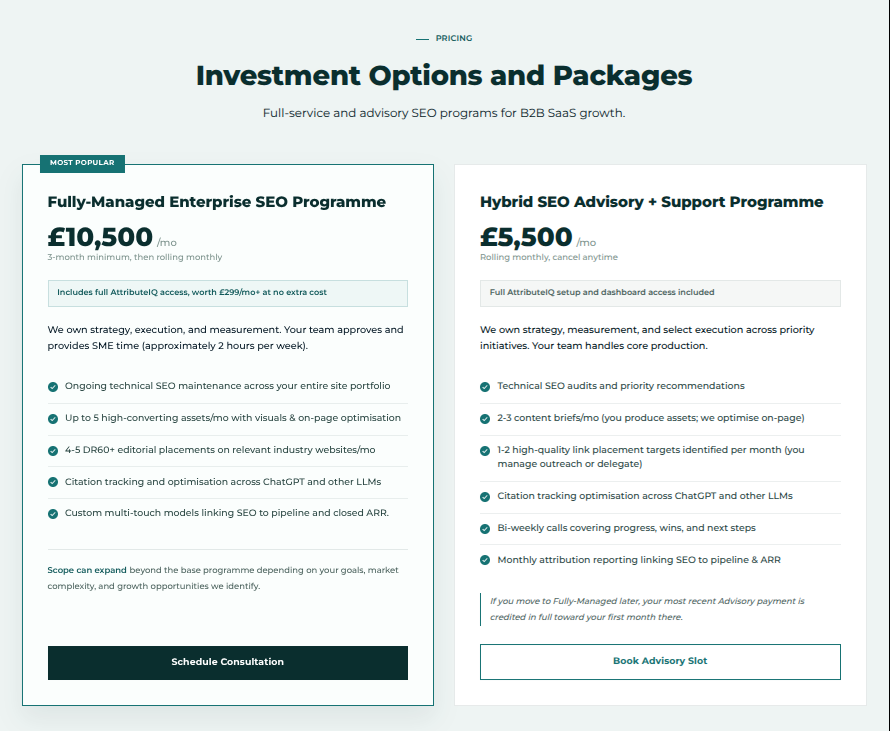
£5,500–£10,500+ per month, depending on the programme and the scope agreed upfront. Fully managed has a 3-month minimum before moving to rolling monthly; advisory is rolling from the start, with no long-term lock-in. View investment options.
Pros:
- AttributeIQ Agency access (£299/mo) is included throughout the engagement. That gives every client the full revenue attribution platform alongside the SEO programme, with no additional software cost.
- Senior-level access throughout. Senior strategists remain directly involved from initial strategy through execution and reporting.
- Flexible month-to-month engagement. No annual contract or fixed commitment. Scope can increase or decrease as pipeline priorities change.
Cons:
- Not a full-service growth agency. Paid media, social and PR aren’t part of the core engagement, so you’ll need other specialists if you want everything managed under one roof.
Make SEO and AI search a measurable growth channel
Build the search visibility your buyers rely on, across Google and generative AI, with content, technical SEO and commercial measurement tied back to pipeline and revenue.
2. Directive Consulting
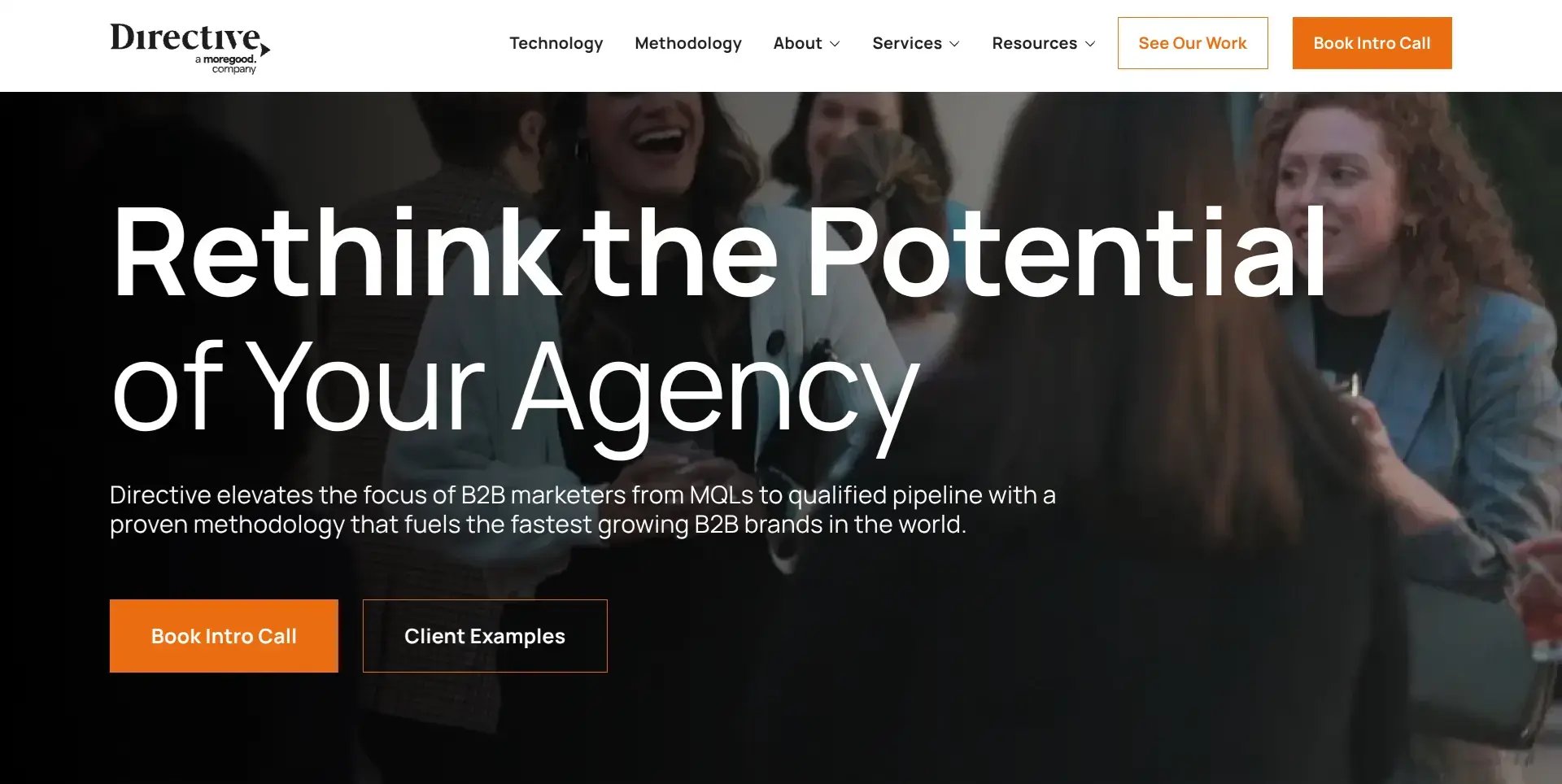
Best For: Enterprise SaaS and tech companies that need SEO tied directly to pipeline metrics and board-level revenue reporting.
Directive is built around what they call a Customer Generation methodology, the idea that SEO shouldn’t be measured in rankings or traffic, but in pipeline, LTV:CAC ratios, and revenue outcomes.
They work across both organic and paid channels, which means SEO isn’t treated as a standalone function but as part of a broader demand engine.
That integrated approach is genuinely useful for enterprise SaaS teams where organic and paid budgets are managed together and the reporting bar is high.
Notable Results:
Over $1B in revenue generated across enterprise SaaS clients, with a 4.8/5 rating on Clutch from 56+ reviews.
Pros:
- Rare enterprise-grade infrastructure: multi-disciplinary team across SEO, paid, CRO, and RevOps in one shop
- Proven at true enterprise scale with household SaaS names
Cons:
- Breadth of services means SEO isn’t always the primary focus, better suited to teams that want an integrated growth partner
- Some clients note the onboarding phase is slower than leaner boutique agencies, which matters if pipeline pressure is immediate.
3. Skale
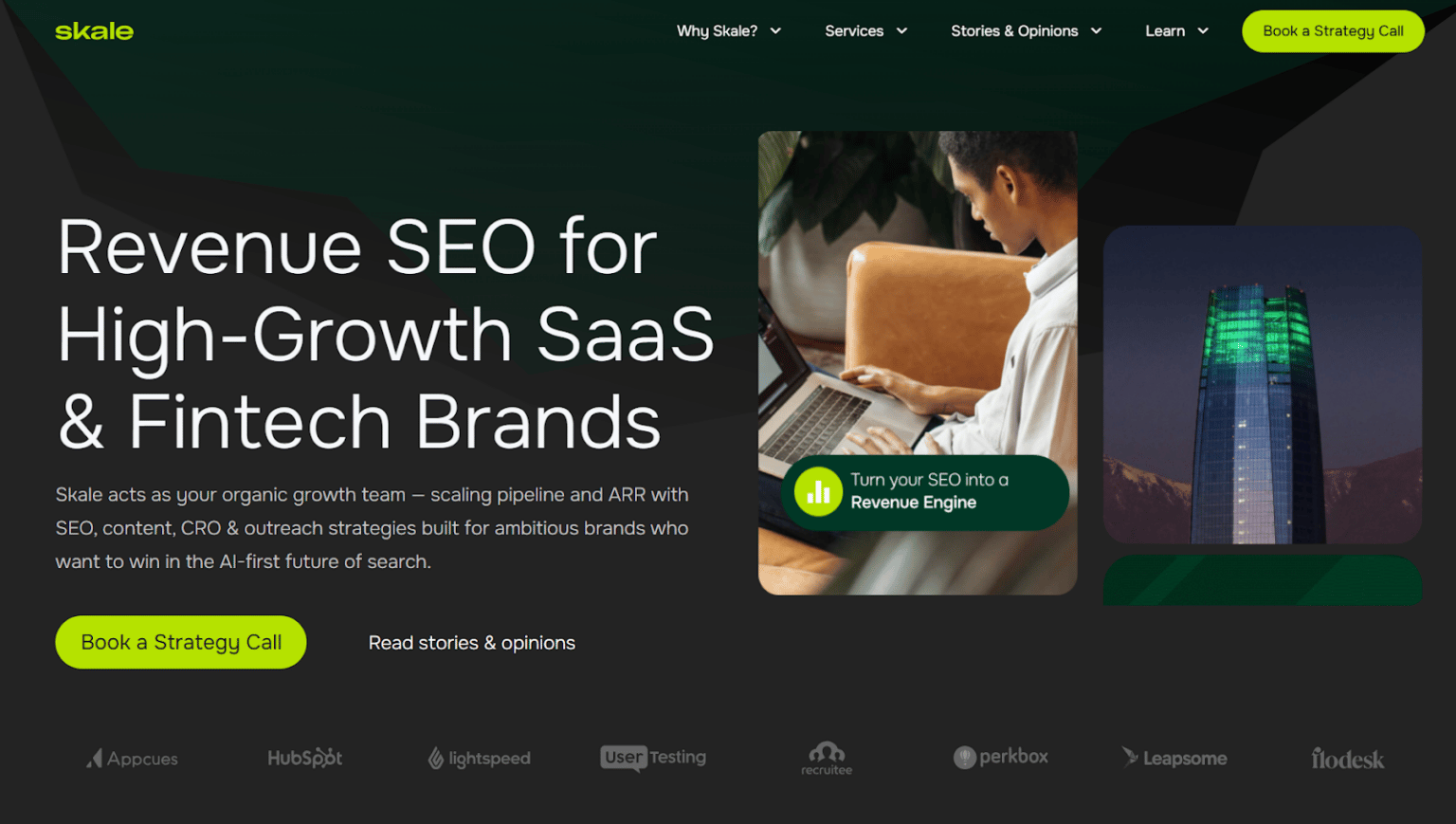
Best For: Enterprise SaaS brands that want a specialist senior team embedded into their marketing function, with commercial KPIs baked in from day one.
Skale works exclusively with SaaS and tech companies, with a sharp focus on SQLs and pipeline. Their enterprise practice is built around ARR-gap analysis, working backwards from revenue targets to identify the organic search volume required to close the gap.
Rather than assigning a single generalist, Skale embeds a six-person senior team directly into your marketing function, which matters at enterprise scale, where every junior handoff means another reset on context, priorities, and momentum.
Notable Work:
Typeform, HotJar, G2, and TravelPerk, with case studies showing a 176% revenue increase for Rezi.
Pros:
- SaaS-only focus means no translation layer between your world and theirs
- Senior team embedded model, consistent points of contact throughout
- Commercially grounded: MRR and CAC payback are the actual KPIs
Cons:
- The “embedded” model requires a high level of transparency and access from the client side.
- May lack the broader “general marketing” perspective found in multi-industry agencies.
4. Powered by Search
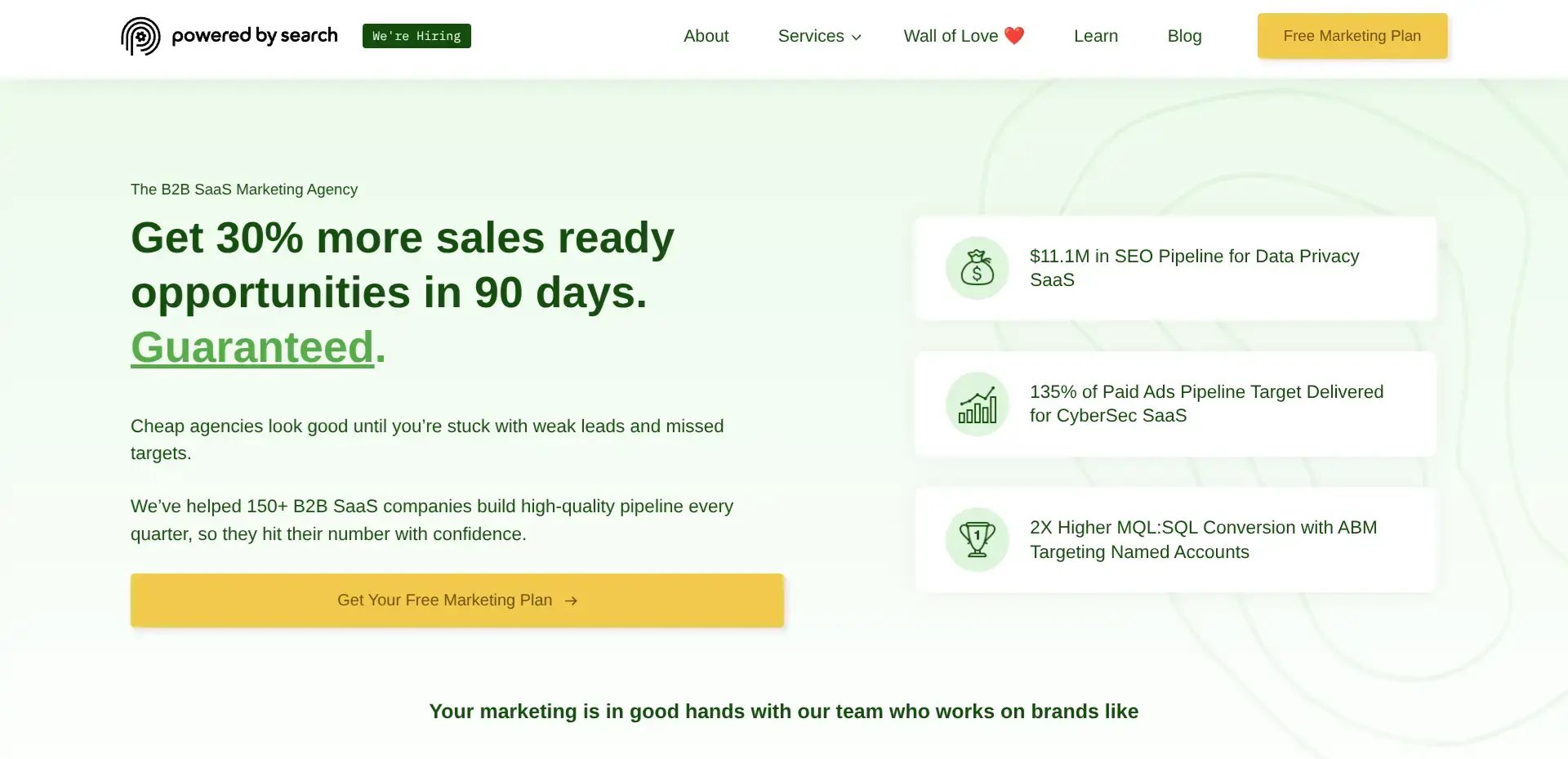
Best For: Series B–D SaaS companies with high ACV products and complex, multi-stakeholder sales cycles that need SEO, content, and paid working as one integrated system.
Powered by Search’s Predictable Growth methodology is built around three variables: high ACV deals, long sales cycles of 6–18 months, and buying committee dynamics, which shapes how they approach everything from content architecture to pipeline attribution.
Their model combines pain-point SEO, Authority Architecture, and demo-focused content into a single demand engine rather than treating organic as a standalone channel.
Notable Results:
Delivered for enterprise players like Varonis, VMware, Fortra, driving $100M+ annual client pipeline.
Pros:
- Deep experience with technically complex, long-cycle B2B sales
- Integrated across SEO, paid, content, and RevOps, so organic doesn’t sit in isolation from the rest of the demand programme.
- Strong fit for security, infrastructure, or compliance-heavy SaaS where the content bar is high and generic agencies tend to struggle.
Cons:
- The framework-driven approach requires patience, if your board needs pipeline movement in 60 days, this isn’t the right starting point.
- Depth of methodology means onboarding takes longer than leaner boutique engagements.
5. Omniscient Digital
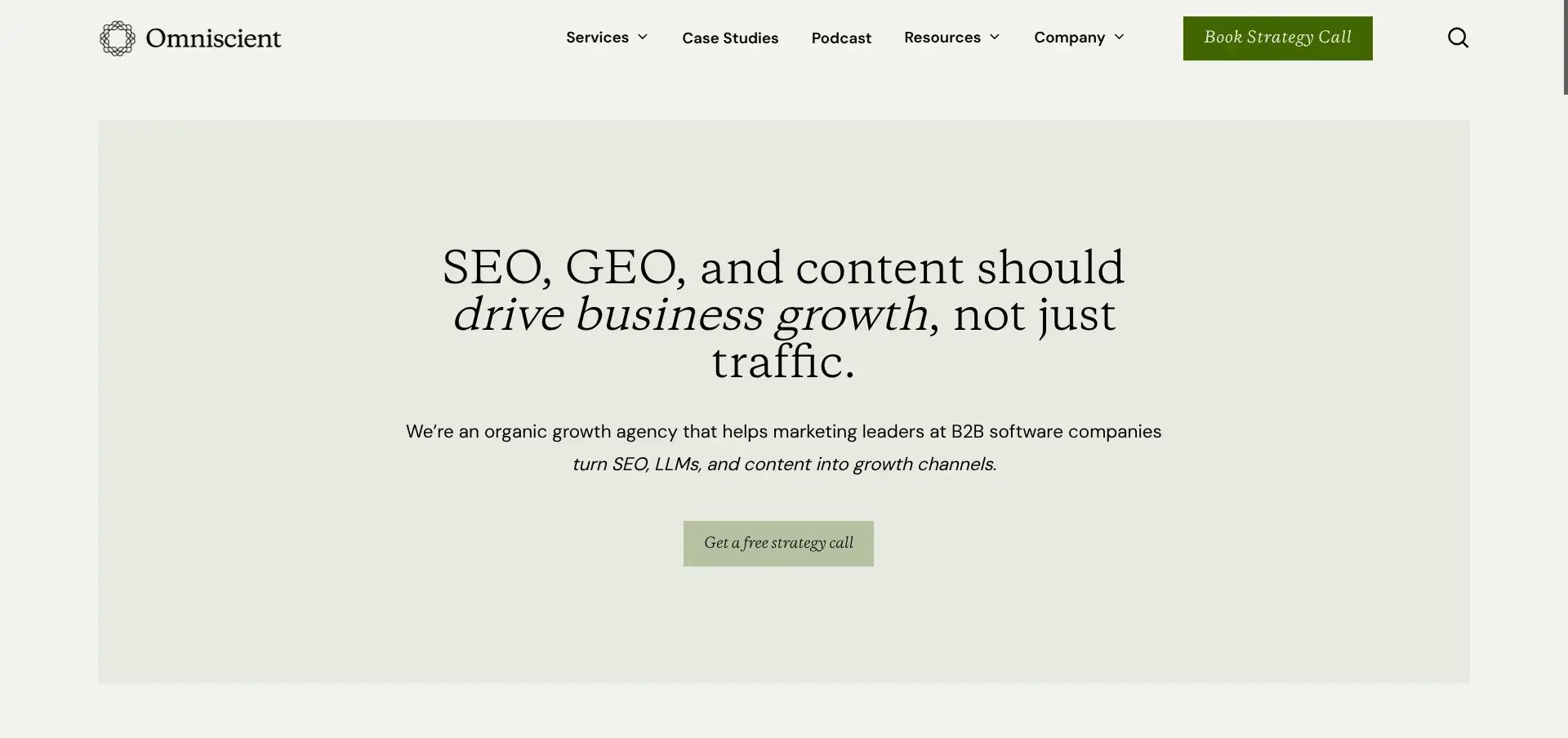
Best For: B2B software companies that want a senior, editorially rigorous approach to organic growth, with reporting tied to pipeline and revenue
Omniscient was founded by former growth and content leaders from HubSpot, Shopify, and Workato, and that operating background shapes how they think.
Their barbell content strategy focuses on two ends of the spectrum: high-intent, conversion-oriented content at the bottom of the funnel, and credibility-building thought leadership at the top, with less investment in the middle-of-funnel content that tends to generate traffic without revenue.
Notable Results:
High-growth partnerships with SAP, Asana, Jasper, TikTok, Loom, and Hotjar, a portfolio that spans both enterprise incumbents and fast-growing SaaS brands.
Pros:
- Commercially rigorous: content strategy is anchored to pipeline and revenue attribution from the start
- Strong portfolio across both enterprise incumbents and fast-growing SaaS
Cons:
- Full-service engagements start at $10,000 per month, one of the higher floors on this list, and reflective of the seniority they bring.
- Content-led model means limited support if paid media or deep technical SEO is your primary gap.
How to Shortlist the Right Enterprise SEO Agency for Your B2B SaaS
There is no single best enterprise SaaS SEO agency for every company. The right choice depends on the commercial outcome you need the partner to own, the complexity of your buying committee, how deeply the team should embed into your marketing function, and what your budget allows.
Use the questions below to narrow the shortlist and identify the type of SEO partner that fits your growth stage, sales cycle, and revenue priorities.
Do you need organic search tied to revenue, or an integrated growth partner?
- Organic search measured against pipeline and closed-won revenue: Choose GrowUp if you need enterprise SEO and AI search optimisation run under one programme, with CRM-level attribution connecting content to pipeline and revenue.
- SEO integrated with paid media: Choose Directive Consulting or Powered by Search if you need organic search managed as part of a broader demand engine rather than a standalone channel.
What methodology should drive your content and search strategy?
- Revenue attribution and commercial search demand: Choose GrowUp if your priority is mapping every asset to a defined buying stage and measuring its contribution to pipeline and closed-won revenue.
- Editorially rigorous, barbell content strategy: Choose Omniscient if you want high-intent bottom-funnel content paired with credibility-building thought leadership.
How closely embedded should the agency team be?
- Direct senior access on flexible terms: Choose GrowUp if you want senior strategists running execution with no junior account layers, on a month-to-month engagement after a three-month minimum.
- Embedded senior team inside your marketing function: Choose Skale if you want a six-person senior team working exclusively with SaaS companies, with SQLs and MRR as the primary KPIs.
- Multi-disciplinary team across SEO, paid, CRO, and RevOps: Choose Directive Consulting if you need enterprise-grade infrastructure and a single partner across multiple growth functions.
What is your monthly investment allocation?
- £5,500–£10,500+/month: GrowUp prices enterprise engagements in this range, including AttributeIQ agency access at no additional software cost.
- $10,000+/month: Omniscient Digital starts full-service engagements at this level, reflecting the seniority of its team.
- Custom or enterprise scope: Directive Consulting, Skale, and Powered by Search price engagements based on requirements rather than publishing a fixed monthly rate.
What Makes an SEO Partner Worth Hiring for Enterprise SaaS
At enterprise scale, search has to work across more than rankings and traffic. Multiple products, buying committees, longer sales cycles, and repeated interactions with content make it harder to see which activity is creating demand and which is contributing to revenue.
That is the standard we apply at GrowUp. Our senior strategists stay involved from the initial audit through execution and reporting, while AttributeIQ connects content interactions at the contact level to pipeline and revenue.
If you want an outside view of your SEO and AI search performance, we can identify where the biggest commercial gaps sit and which opportunities are most likely to influence qualified pipeline and revenue.
FAQs
Is hiring an enterprise SaaS SEO agency worth it for pipeline growth?
How much should an enterprise SaaS company budget for SEO each month?
Should enterprise SaaS companies hire a specialist SEO agency or a full-service growth agency?
How do you vet an enterprise SaaS SEO agency during the RFP process?
What questions should you ask an enterprise SaaS SEO agency before signing a retainer?
What red flags should enterprise SaaS companies look for when choosing an SEO agency?
How should an enterprise SaaS SEO agency measure pipeline and revenue from organic search?
How long should an enterprise SaaS SEO retainer run before results are judged?
Which enterprise SaaS SEO agencies are best for companies focused on qualified pipeline rather than traffic?